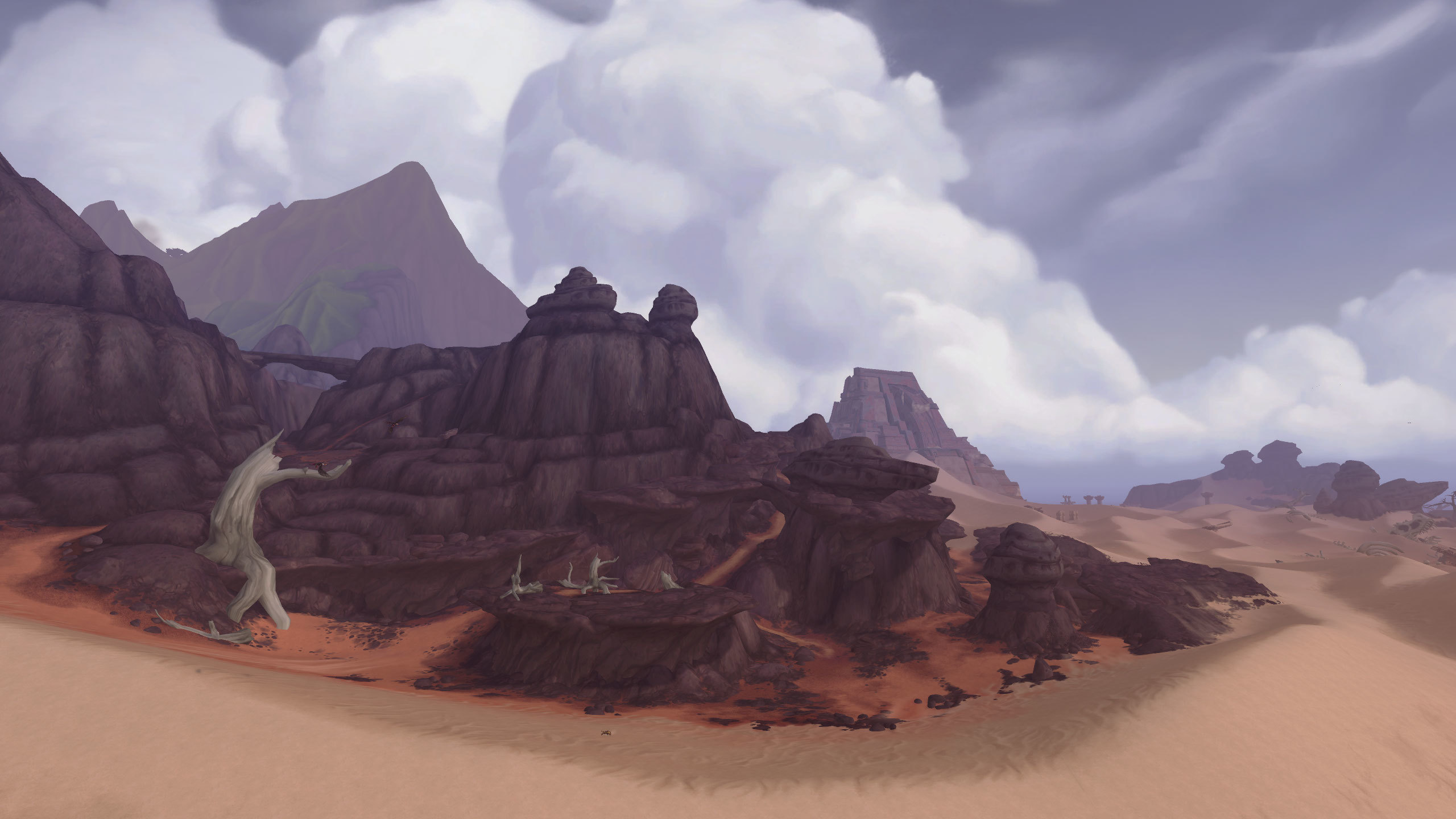
World of Warcraft has always been a game defined by its expansive world, rich lore, and ongoing narrative. With each major expansion, players have been introduced to new storylines and characters, but it’s the patch storylines that often fill the gaps between the larger expansions.
Over time, these patch storylines have evolved from small, isolated events into full-fledged mini-expansions that offer deep dives into Azeroth’s most pressing conflicts. This article explores how patch storylines became critical to the game’s narrative structure and how they serve to bridge massive gaps in the lore between expansions.
The Early Days of Patches: Small, Story-Driven Updates
In the early days of World of Warcraft, patches were primarily focused on bug fixes, gameplay tweaks, and small additions to the game. Story-driven patches were rare, and when they did occur, they were often short-lived events or questlines that didn’t have a lasting impact on the overarching lore. These early patches were used to test new gameplay features or add temporary content while players awaited the next major expansion.
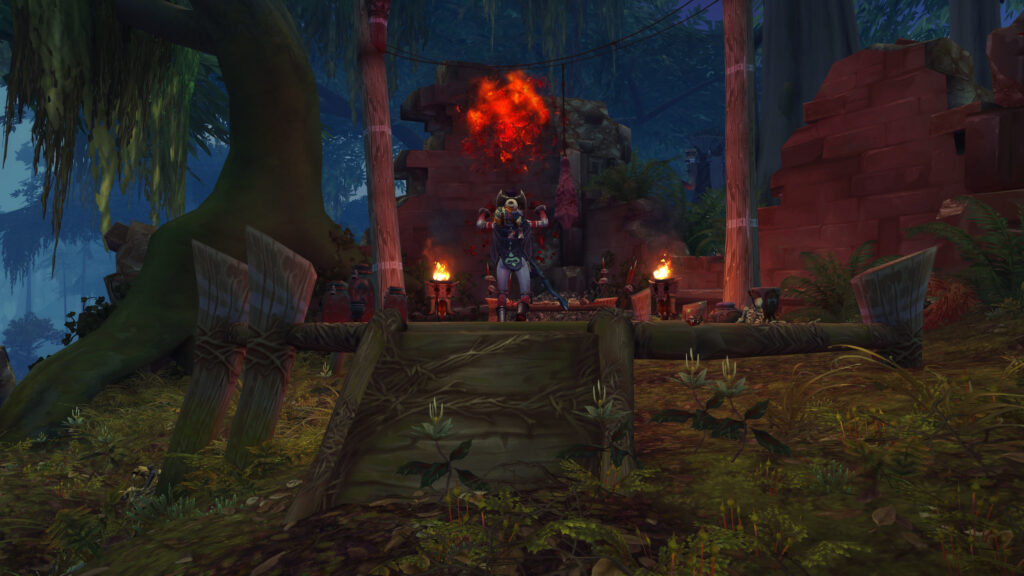
However, even in these early days, patches began to lay the foundation for larger narrative arcs. The inclusion of story-driven events, like the opening of the Gates of Ahn’Qiraj in patch 1.9, hinted at the potential for patches to be more than just functional updates.
- Patch 1.9 – The Gates of Ahn’Qiraj: A precursor to the idea of narrative-driven patches, this event hinted at the power of patch storylines.
- Early Content: Patch content was often small and experimental, with limited narrative depth compared to modern standards.
Shaping Patch Storylines Into Mini-Expansions
As the game grew and expansions became more complex, Blizzard began using patches to tell more substantial, long-form stories. In expansions like Wrath of the Lich King and Cataclysm, patch storylines became key parts of the overall narrative. These patches allowed players to experience the ongoing consequences of major events, expanding on the lore introduced in previous expansions and setting the stage for what was to come.
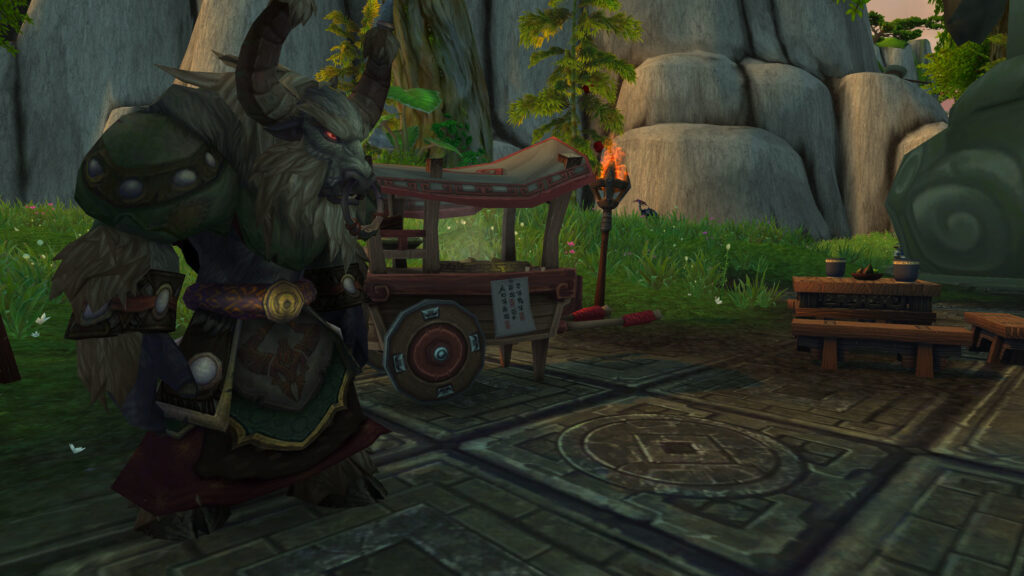
Patches like 3.1 – Secrets of Ulduar and 4.1 – Zul’Gurub began to take on the characteristics of mini-expansions, offering full story arcs, new content, and deeper dives into previously unexplored aspects of the world. These updates gave players new reasons to return to the game, as they were no longer just waiting for the next expansion — they were actively engaged in a living, evolving world.
- Patch 3.1 – Secrets of Ulduar: Introduced a full raid, new questlines, and expanded the lore surrounding the Titans and the Old Gods.
- Patch 4.1 – Zul’Gurub: Brought back the iconic raid, delving deeper into the history of the trolls and the Zul’Gurub area.
- Mini-Expansions: These patches began to offer storylines that felt like they could stand on their own, with substantial lore and content.
The Impact of Patch Storylines on World-Building
Patch storylines have become an essential part of WoW’s world-building, filling in narrative gaps and expanding on themes introduced in the larger expansions. These patches have allowed Blizzard to explore smaller story arcs that would have otherwise been impossible to address in a full expansion. For example, the 5.3 – War Crimes patch delved into the aftermath of the Siege of Orgrimmar, giving players closure and exploring the political ramifications of the war between the Horde and the Alliance.
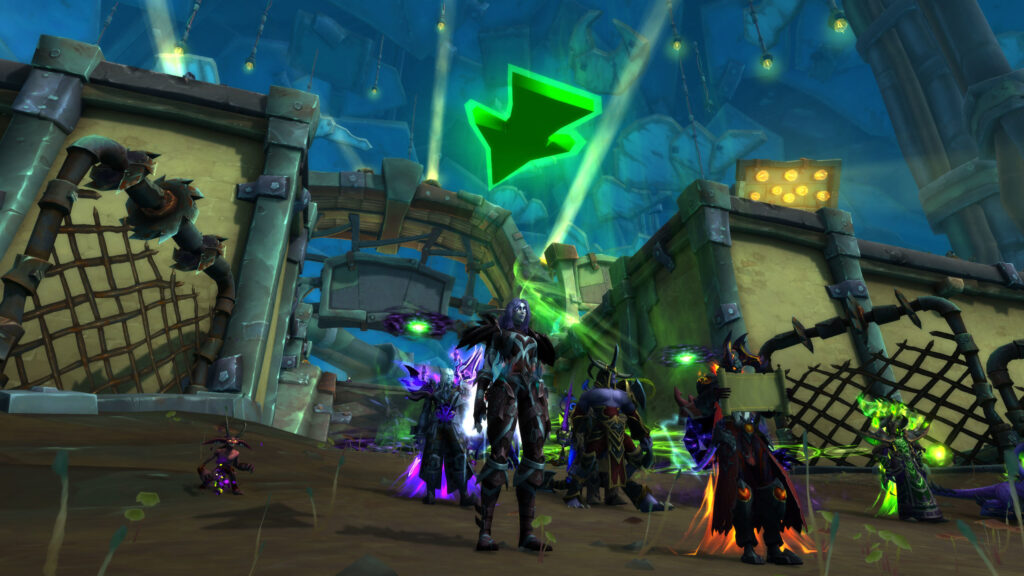
These smaller storylines also allowed Blizzard to experiment with new ideas, such as the addition of the Isle of Thunder in patch 5.2, which introduced a new setting and story that was fully integrated into the larger narrative of Mists of Pandaria.
- 5.3 – War Crimes: Focused on the political aftermath of the Siege of Orgrimmar, offering a deeper exploration of the impact of the war.
- 5.2 – Isle of Thunder: A new, lore-rich location that fit seamlessly into the larger Mists of Pandaria narrative.
- World-Building: Patches allowed for exploration of side stories and characters that helped enrich the world of Azeroth.
Conclusion
Patch storylines have evolved from simple, brief updates into mini-expansions that play a crucial role in World of Warcraft’s ongoing narrative. These patches allow Blizzard to explore complex storylines, bridge gaps between major expansions, and offer players a deeper connection to the world of Azeroth.
As the game continues to evolve, patch storylines will likely remain an important storytelling tool, helping to keep the world dynamic and continuously expanding even between major releases.