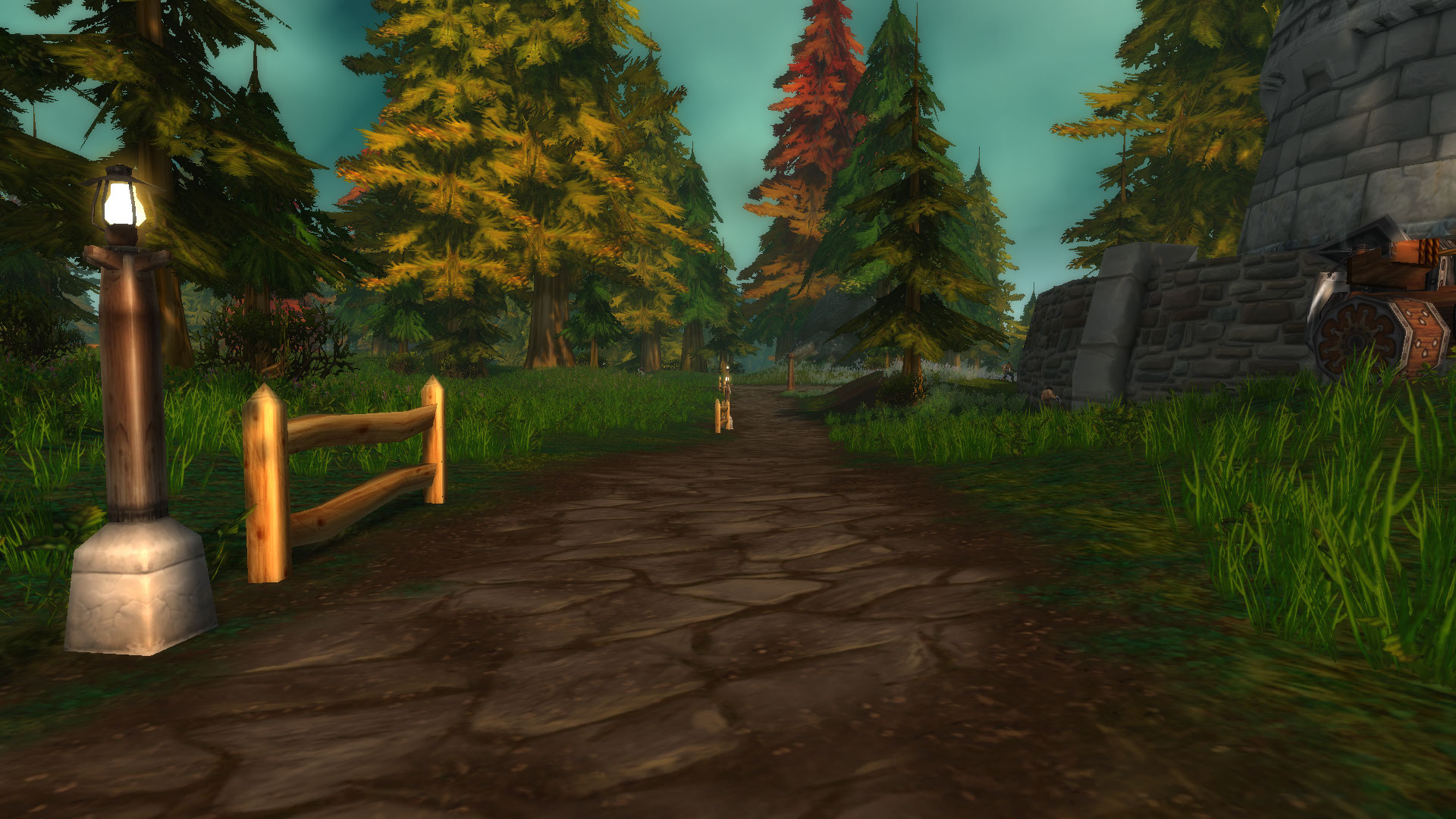
Almost every early Vanilla player remembers the orchards and caves of Hillsbrad. Picking apples was a quiet way to make a little gold and learn how farming works, while the yeti caves offered danger, loot and company. This guide explains why apple farming mattered, how to do it well, what the yeti caves offered, which strategies work there and which habits make both activities more rewarding.

Why did apple farming matter?
It gave early players food and gold and brought them together in a shared space.
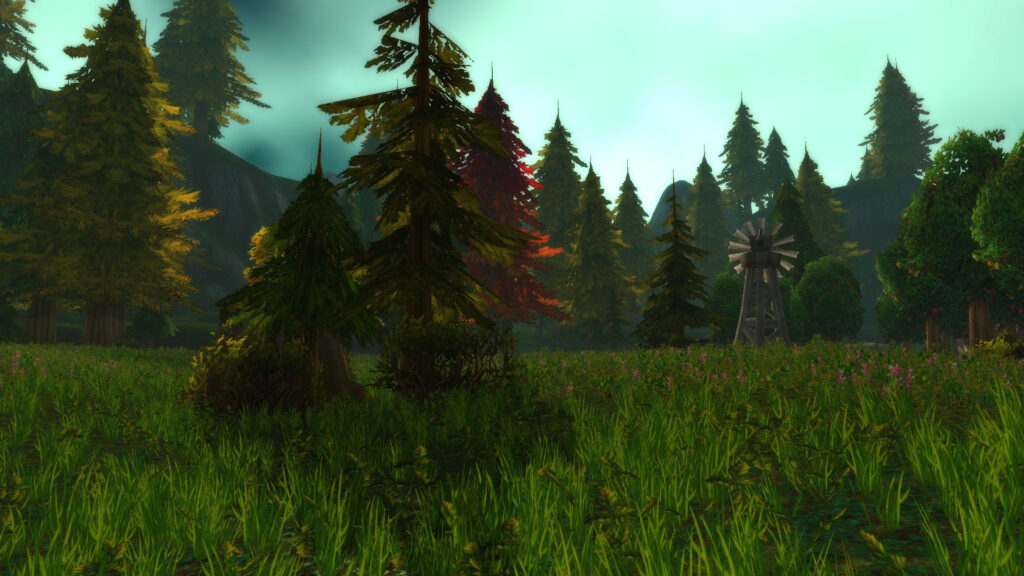
Hillsbrad Foothills were a favorite place for people looking to gather apples. The fruit served as food that restored health, and it could be sold, which made it valuable for a character with few other options. For new players, mastering the loop of picking apples was often their first lesson in resource management. Because many people wanted the same trees, the orchards also became a place for trade, small rivalries and new friendships.
Farming here introduced mechanics that would matter for the rest of a player’s career: spawn timers, efficient routes and the idea of repeating a loop for steady income. People exchanged tips in chat, which strengthened the community. The sense of accomplishment from getting better at it was real, even if the reward was small.
How do you farm apples efficiently?
Learn the spawn locations, plan a loop and watch the timers.
Good farming starts with knowing where the trees are and how fast they refresh. The best approach is to build a circuit that visits every tree and keeps downtime low. Keep an eye on other players, since competition can slow you down, but friendly rivalry sometimes becomes cooperation, with people sharing routes and resources.
- Mark the important spawn points, such as trees near the river and by the farm.
- Build a route that reduces travel time between trees.
- Track timers so you can return as soon as trees refresh.
- Consider farming with others to share the load.
What did the yeti caves offer?
Unique loot, tough enemies and a sense of adventure.
Located in the north of the zone, the caves were home to yetis that were a real challenge for early characters. They dropped valuable items and gave good experience, so the risk was rewarded. The caves were also a social place where players teamed up to deal with the monsters.
| Yeti | Level | Loot | Experience |
|---|---|---|---|
| Frostmaul Yeti | 30 | Yeti Fur, Frostmaul Eviscerator | 250 |
| Frostmaul Giant | 32 | Yeti Fur, Giant’s Club | 300 |
| Frostmaul Shaman | 31 | Yeti Fur, Shaman’s Staff | 275 |
Which strategies work in the caves?
Crowd control, teamwork and knowledge of enemy behavior.
Use stuns and slows so you do not get swarmed, and coordinate attacks and healing. Learning the yetis’ attack patterns gives a clear advantage, and a balanced group of different classes handles the caves more smoothly than a single character.
What are the best practices for both activities?
Plan routes, work together and manage your supplies.
For apples, know the routes and spawn points. For the caves, learn the enemies. In both cases, bring enough potions and food for long sessions and keep in touch with partners. Teaming up lets you share resources and complete challenges faster, and talking with teammates improves coordination and results.

Frequently Asked Questions
What level should I be?
Around level 10 is a typical start for apple farming, since the area is fairly safe.
Are there risks?
You may meet aggressive monsters or competing players, so keep an eye on your surroundings and have an escape plan.
How can I get more loot in the caves?
Work as a team, use crowd control and target the stronger yetis first.