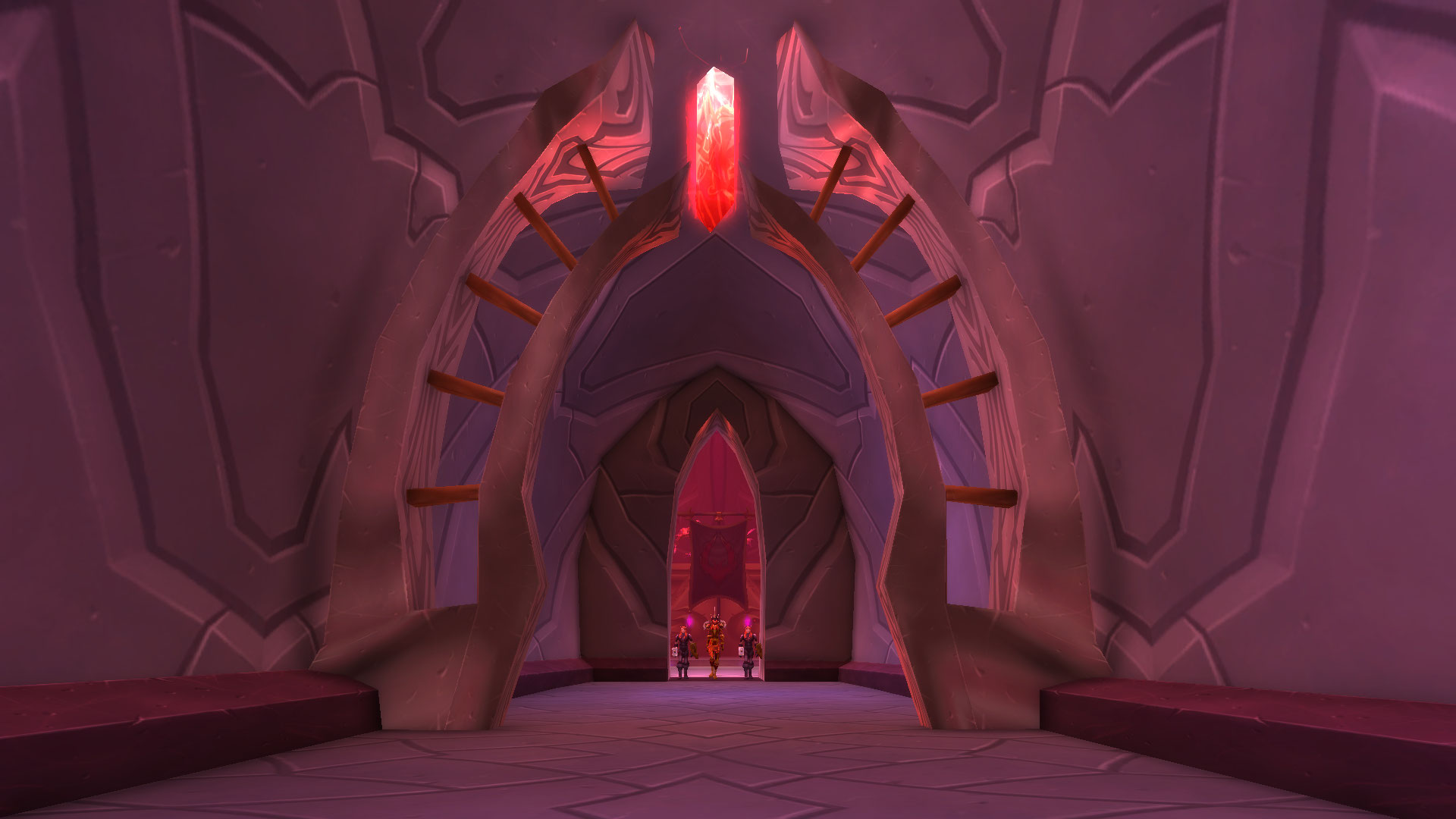
Before the nerfs, Kael’thas Sunstrider was one of the longest and most demanding fights of The Burning Crusade. His encounter strings together advisors, a set of unusual weapons and a final phase that tests a raid’s endurance. This guide explains the key mechanics, how to make use of the seven weapons, what each advisor does, how to handle the strain of a very long attempt and which practices improve your chances.
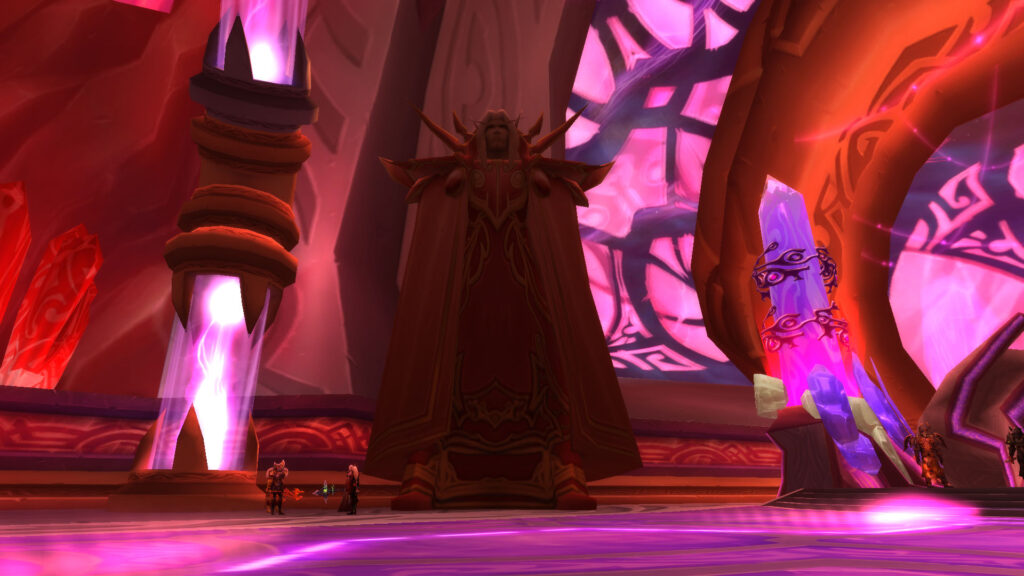
What are the key mechanics?
Four phases, advisors with their own abilities and heavy spell damage from Kael’thas himself.
The fight proceeds through distinct stages, and each requires different responses. The raid first fights Kael’thas’s advisors one by one, each with unique abilities that can easily overwhelm a poorly prepared group. Later Kael’thas joins the battle with powerful spells that force constant movement and careful positioning. Failing to adapt leads to quick wipes, so the group needs to manage mana and cooldowns across a long encounter.
Endurance matters. Because the fight is long, damage and healing performance can slip as people tire and resources run low. The raid has to optimize its rotations to avoid being overwhelmed late in the attempt. Coordination matters too, since many abilities can be countered through timely defensive cooldowns. Learning each advisor’s abilities and Kael’thas’s attacks is the basis of a good strategy.
How do players use the seven weapons?
By understanding what each does and when it helps the raid most.
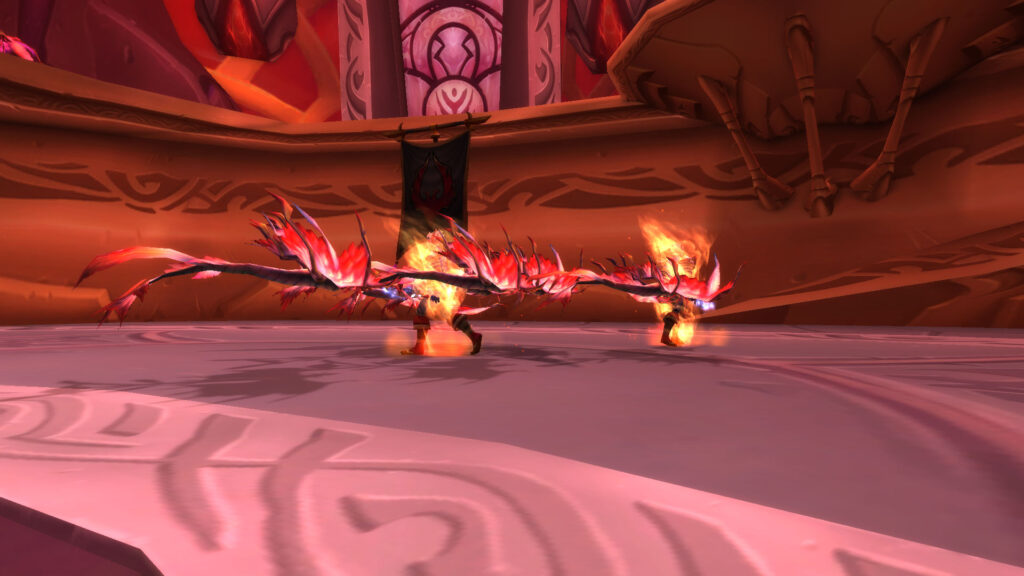
During the fight, the raid gains access to a set of seven unusual weapons, each with distinct advantages that can answer a particular mechanic. A weapon that boosts damage is excellent for burst, while another that restores mana helps healers through the long fight. Which one to take depends on class and role, and the timing of their use can change the course of the battle, particularly at phase transitions.
- Pick the best weapon for your class: damage dealers favor damage boosts, while healers may prefer mana support.
- Coordinate weapon use with raid cooldowns for key phases.
- Communicate so weapons are not wasted.
- Track cooldowns so everything is available when needed.
What do the advisors do?
Each one adds a different problem that the raid has to solve.
The advisors in this guide include summoners of extra enemies, casters whose spells must be interrupted and engineers who bring mechanical helpers. Learn their strengths and weaknesses so interrupts and crowd control are assigned sensibly, and watch their health, because leaving them active too long adds to the chaos.
| Advisor | Key ability | Counter | Role |
|---|---|---|---|
| Summoner-type advisor | Brings extra enemies | Focus fire and crowd control | Distraction and damage |
| Grand Astromancer Capernian | Powerful spells | Interrupt and mitigate damage | Spell damage dealer |
| Master Engineer Telonicus | Mechanical helpers | Target them quickly | Area control |
How do you deal with the long fight?
Manage resources and sustain your performance through the late stages.
As the attempt drags on, damage and healing lose efficiency. Conserve mana and cooldowns for key moments, use potions and external buffs to keep going and communicate so that the raid keeps its pressure on Kael’thas without burning out. A well-paced raid reaches the final phase with enough resources to finish.
What are the best practices?
Communication, smart use of abilities and thorough preparation.
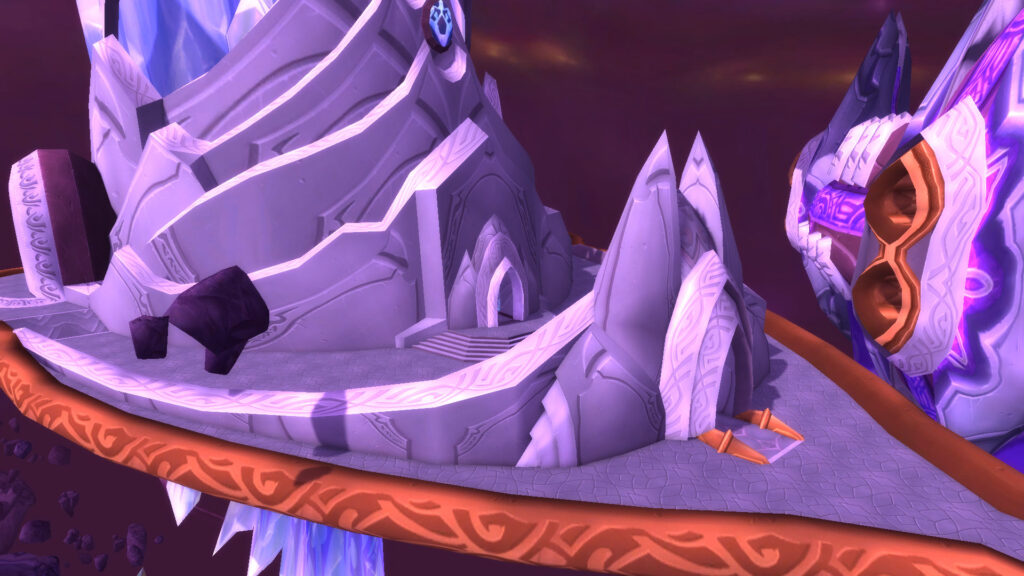
Know the mechanics and have a plan for each phase. Voice communication helps coordination in tense moments, and good gear and consumables prepare you for the length of the fight. Each attempt gives information that you can use to polish the next.
Frequently Asked Questions
How do I deal with Flame Strike?
Spread out to limit damage and have defensive cooldowns ready when it is cast.
How can I raise my damage?
Maximize cooldowns, use weapons well and coordinate burst with your team in key phases.
What if we struggle with the advisors?
Rethink the plan, assign specific roles and focus on interrupts and adds.