World PvP has always occupied an unstable position within World of Warcraft’s design. At its best, it produces spontaneous conflict, emergent rivalries, and memorable social encounters. At its worst, it devolves into avoidance, imbalance, or indifference. With Dragonflight, Blizzard made deliberate structural changes to zone design, progression pacing, and incentive systems that reopened the question of whether meaningful open world faction conflict can be sustained.
This article examines how Dragonflight’s zones attempt to support world PvP, what structural barriers still exist, and whether the expansion meaningfully repositions open world conflict as a viable and engaging playstyle.
The Historical Decline of World PvP
In earlier eras, world PvP emerged naturally from friction. Shared quest hubs, limited flight access, and contested resource nodes forced players into conflict even when it was inefficient. Over time, convenience systems reduced this friction. Phasing, sharding, and rapid travel diminished the likelihood of repeated encounters, while instanced content became the dominant source of progression.
As rewards shifted toward structured activities, world PvP lost its practical relevance. Participation became opt in but largely unrewarded, leading to a cycle where fewer players engaged, further reducing organic encounters. Any attempt to revitalize world PvP must address this structural erosion rather than relying on nostalgia alone.
Dragonflight Zone Design and Spatial Opportunity
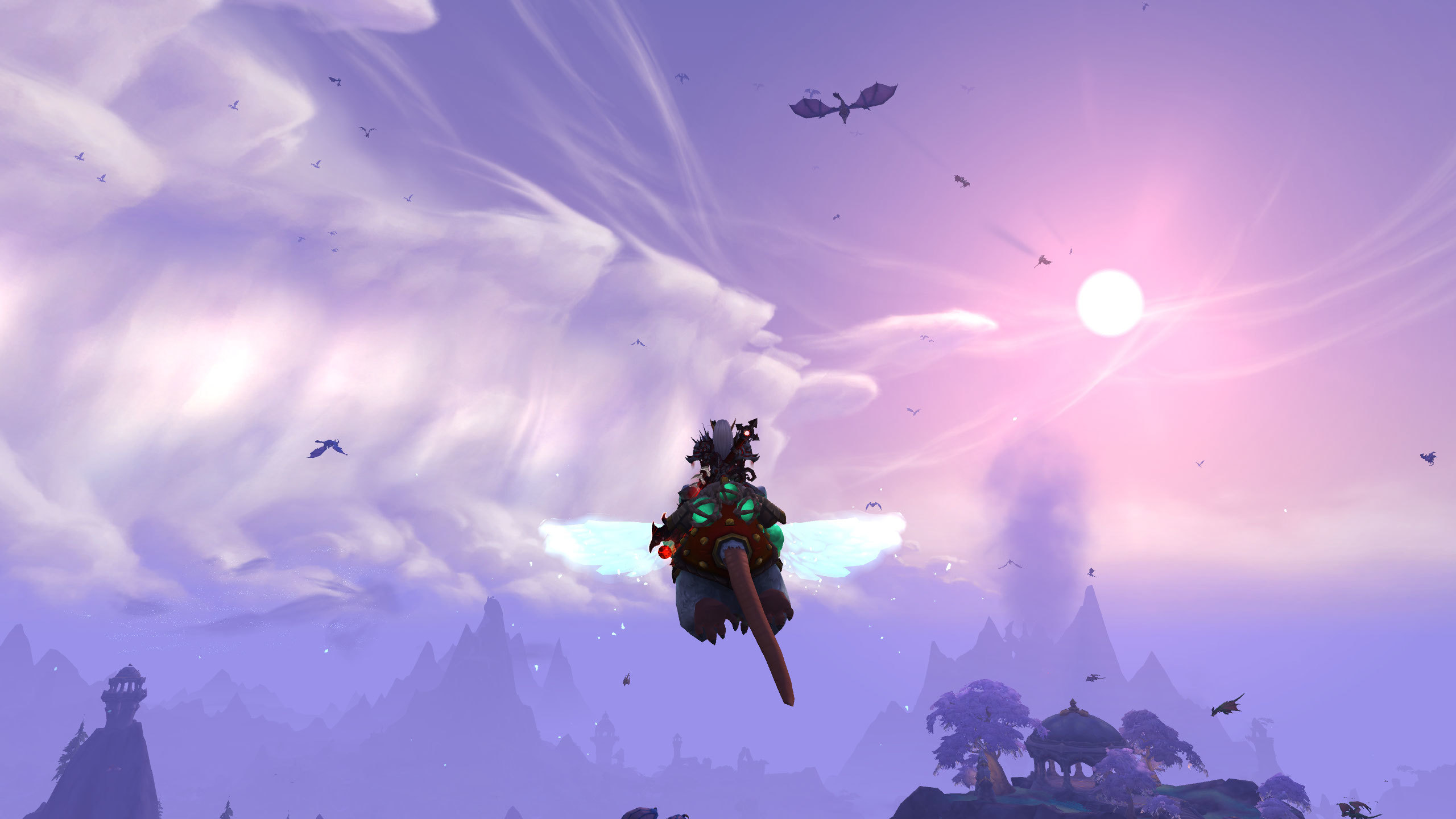
Dragonflight’s zones emphasize verticality, openness, and fluid traversal. The introduction of dynamic flying fundamentally alters how players move through the world. This mobility increases encounter potential by collapsing distance, but it also enables avoidance. Players can disengage from unwanted conflict more easily than in grounded designs.
However, zone layouts intentionally concentrate activity around shared objectives, world quests, and events. These convergence points create predictable hotspots where faction interaction is more likely. The success of world PvP in Dragonflight depends on whether these spaces generate sustained interaction rather than fleeting skirmishes.
War Mode and Incentivized Participation
War Mode remains the primary gateway to world PvP, transforming participation from a default condition into a calculated choice. By attaching experience and reward bonuses, the system frames world PvP as a risk reward proposition rather than an unavoidable disruption.
In Dragonflight, this incentive structure is more closely aligned with routine gameplay. Players pursuing world content are naturally exposed to PvP opportunities without deviating from their progression goals. This integration is critical. World PvP thrives when it overlaps with existing motivations instead of competing with them.
Key Factors That Determine World PvP Viability
- Shared objectives that naturally concentrate opposing factions
- Rewards that justify risk without encouraging excessive imbalance
- Zone layouts that limit total avoidance while preserving mobility
- Population balance mechanisms that prevent consistent dominance
- Repeatable encounters that foster rivalry rather than anonymity
Social Dynamics and Player Behavior
World PvP is as much a social phenomenon as a mechanical one. Players engage more readily when conflict feels fair, recognizable, and personal. Repeated encounters with the same opponents foster rivalry and investment, while anonymous one off kills feel disposable.
Dragonflight’s reduced emphasis on rigid faction narratives complicates this dynamic. While structural incentives exist, the emotional framing of faction conflict is less pronounced. This places greater responsibility on systems to create meaning through interaction rather than story alone.
Conclusion: Potential Without Guarantee
Dragonflight creates more favorable conditions for world PvP than several recent expansions. Its zone design, integrated incentives, and emphasis on shared activities lower the barriers that previously suppressed open world conflict. However, potential alone does not guarantee revival.
World PvP succeeds when friction is intentional, rewards are proportional, and encounters feel socially grounded. Dragonflight moves closer to that balance, but its long term success depends on sustained tuning and player adoption. The expansion does not force world PvP to return, but it provides a foundation where it can exist meaningfully again if players choose to engage.