Raiding with your friends in World of Warcraft? Here’s how you can build a cohesive team. First, understand everyone’s strengths and weaknesses. You’ll need a balanced mix of tanks, healers, and DPS roles. Committing to regular raid times is essential, as is using a reliable voice chat for clear communication. Designate a raid leader to coordinate efforts. Encourage open dialogue to refine tactics, and don’t forget to set a fair loot distribution system. Most importantly, maintain a positive atmosphere where victories are celebrated and losses are learning opportunities. With these tips, your team will steadily grow stronger. Curious about how to apply these strategies? You’re in the right place for deeper insights.
Key Takeaways
- Set a regular raid schedule to ensure consistency and reliability among team members.
- Designate clear roles, including a raid leader, for effective coordination and communication.
- Foster an environment of open communication for strategy discussions and feedback.
- Balance the team by assigning roles based on each player’s strengths and weaknesses.
- Celebrate successes together and learn from losses to enhance team synergy and morale.
Understanding Raid Dynamics
At the core of raiding in World of Warcraft, understanding raid dynamics is vital for any team looking to succeed. When you’re part of a raiding guild, it’s not just about showing up; it’s about integrating with the team. Knowing your raid times and committing to them is essential. If you’re consistently available for guild raids, you’re more likely to secure a coveted raid spot.
Raid days are more than just battles; they’re about building social interactions within your guild. These connections are what turn a group of players into a cohesive team, ready to face any challenge. As you spend time together, you’ll learn the strengths and weaknesses of your team, especially when it comes to healing classes. Every raiding guild needs a balanced team, and understanding the role of healing classes within the raid dynamics is pivotal.
Don’t underestimate the significance of communication either. Being vocal about strategies or calling out when you need assistance can make the difference between victory and defeat. Remember, every member plays a part in the guild’s success, and your contributions, both on and off the battlefield, matter.
Choosing the Right Roles
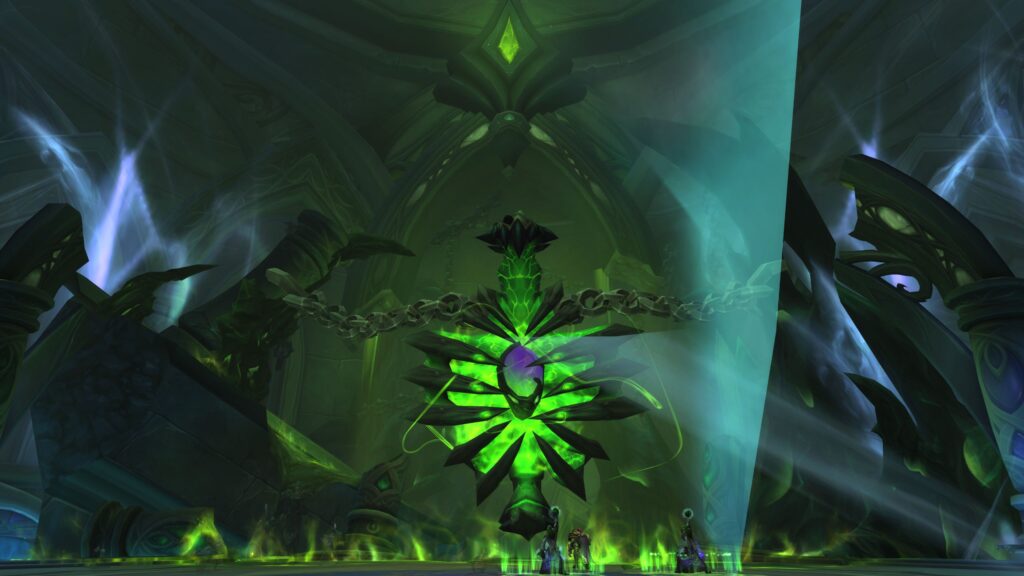
How do you guarantee your raid team has the correct blend of roles for success? It’s all about balance and understanding the demands of the raiding scene. First off, every single raid requires a mix of tanks, healers, and DPS (damage per second) players. The trick is finding the right proportion that fits the current guild’s strategy and the specific challenges of each raid night.
Typically, you’d want at least two tanks in a standard setup. These players are your frontline, absorbing damage and managing the aggro of bosses and other threats. Healers are next in line for importance. Depending on the raid’s difficulty and the number of participants, you’ll need a variable number of healers to keep everyone alive. Finally, the DPS players are the majority, tasked with dealing damage and adhering to the encounter’s mechanics.
Communication Strategies
Effective communication is key to coordinating your raid team’s efforts and strategies. As you immerse yourself in the world of raiding with your friends, you’ll quickly realize that the ability to share information, call out instructions, and provide feedback in real-time can make or break your raid experience. It’s not just about talking; it’s about talking smart.
First off, you’ll need a reliable voice chat platform. Tools like Discord or TeamSpeak are indispensable because they allow you to communicate instantly without the need to type, keeping your hands free for gameplay. Make sure everyone’s on the same page about using push-to-talk or voice activation settings to minimize background noise.
But it’s not all about the tech. You’ve also got to establish clear communication roles. Designate a raid leader or shot-caller responsible for making strategic decisions and guiding the team through encounters. This doesn’t mean they’re the only one talking, though. Encourage open communication where team members can call out important cues or hazards. Just remember, there’s a fine balance between necessary communication and chatter that can distract.
Lastly, practice active listening. Paying attention to callouts and instructions is just as vital as making them. If everyone’s listening and responding appropriately, you’ll find your team moving like a well-oiled machine, ready to tackle any challenge that comes your way.
Planning and Coordination
Once you’ve mastered communication, it’s time to focus on the nuts and bolts of planning and coordination for your raids.
First off, you’ll need to set a regular raid schedule. Consistency is key here; it guarantees everyone knows when to be online and prepped for action. Remember, not everyone’s timetable will align perfectly, so aim for the most agreeable times for the majority of your team.
Next, assign roles carefully. You’ve got tanks, healers, and DPS to ponder. Each member’s strengths and weaknesses should guide these decisions. Don’t just look at their current capabilities but also their potential for growth. Switching roles occasionally might keep the gameplay fresh, but make sure everyone’s comfortable and clear on their responsibilities.
Loot distribution is another critical aspect. Decide on a system that’s fair and transparent, whether it’s loot council, DKP, or a simple roll-based method. This prevents any loot-related disputes and keeps the focus on teamwork and progression.
Lastly, prepare for each raid by researching strategies for the bosses you’ll be facing. Share resources like videos or guides. Discuss tactics in advance, not just on raid night. This preparation ensures you’re not going into battles blindly but as a well-informed, cohesive unit.
Enhancing Team Synergy
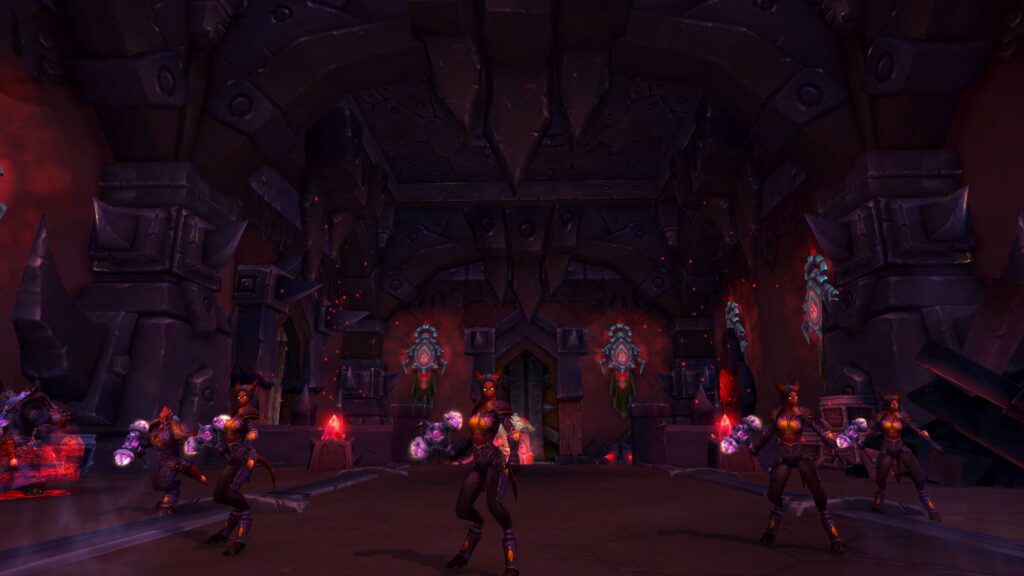
After mastering planning and coordination, it’s essential to focus on enhancing team synergy to further improve your raiding experience. Team synergy isn’t just about getting along; it’s about understanding each other’s strengths, weaknesses, and play styles to execute strategies seamlessly. You’ll want to encourage open communication among your team members. This means not only discussing strategies and tactics but also providing constructive feedback in a way that’s respectful and helpful.
Another key aspect is to regularly review your team’s performance together. Look at what worked, what didn’t, and why. This isn’t about pointing fingers but learning and growing as a cohesive unit. Celebrate your victories, no matter how small, and learn from your losses without assigning blame.
Remember, consistency is key. Raiding regularly with the same group helps build familiarity and trust, which are indispensable for enhancing team synergy. You’ll start to anticipate each other’s moves, leading to a more intuitive and effective team performance.
Lastly, don’t forget to have fun. At the end of the day, you’re playing a game with friends. Keeping the atmosphere positive and enjoyable will naturally improve your teamwork and make your raiding sessions something everyone looks forward to.
Frequently Asked Questions
How Do You Handle Loot Distribution Fairly Among Friends Without Causing Conflicts?
To handle loot distribution fairly, you’ll want to establish clear rules before starting. Consider using a loot council or DKP system. Communication’s key, ensuring everyone’s on the same page to avoid conflicts.
What Are Effective Methods for Scheduling Raid Times When Team Members Have Varying Availability?
To schedule raid times effectively, you’ve got to poll everyone’s availability and aim for the most common free times. Utilize scheduling tools or apps to organize and remind everyone of upcoming raids.
How Can a Raid Team Maintain Motivation and Enthusiasm Over Long Periods, Especially During Challenging Content?
Like a marathon runner pacing through a long race, you’ll need to keep your raid team’s spirits up. Celebrate small victories, establish clear goals, and make sure everyone’s on the same page to maintain enthusiasm.
What Strategies Can Be Employed to Integrate New Players Into an Existing Friend Group Without Disrupting Team Cohesion?
To incorporate new players smoothly, you’ll want to guarantee they’re welcomed and their skills complement the group. Start with casual play, encourage questions, and gradually involve them in more challenging activities to build rapport.
How Do You Manage Differences in Skill Level and Commitment Within a Friends’ Raid Team While Keeping the Experience Enjoyable for Everyone?
To manage skill and commitment differences, you’ll need to balance challenges so everyone’s engaged. Assign roles based on ability, not desire, and make sure tasks are fair. Remember, it’s about fun, not just progress.
Patch Notes & Updates
Stay ahead with the latest patch notes and game updates. Stay informed!